
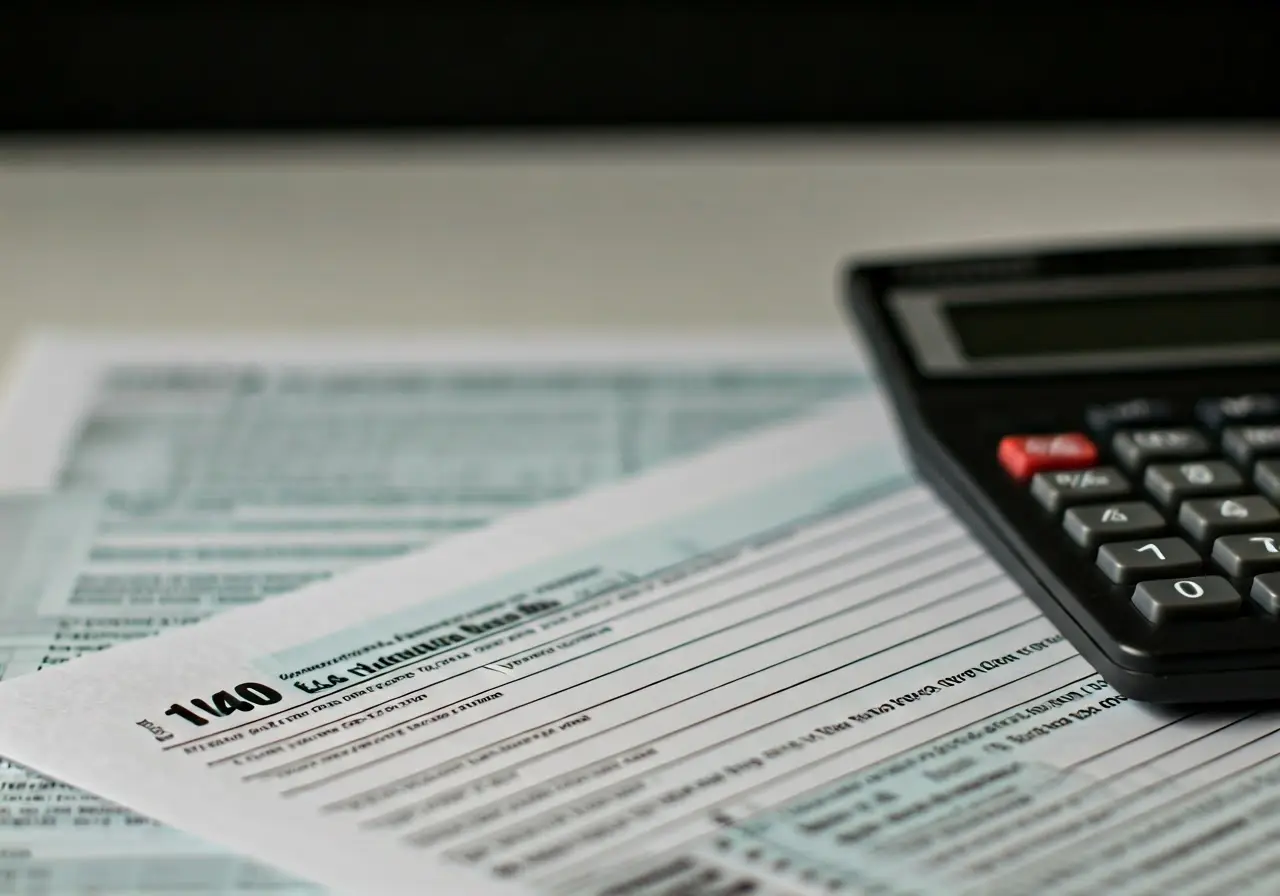

What Are Business Tax Returns?
Business tax returns or corporation tax returns are a crucial aspect of maintaining a compliant and well-structured company. This FAQ guide aims to clarify common questions business owners might have about their tax obligations and filing processes.
What Are Business Tax Returns?
Business tax returns are documents filed with tax authorities, such as HM Revenue and Customs (HMRC), to report income, expenses, and other relevant financial details for tax purposes. These returns help to determine a business’s tax liability based on its profits.
The importance of business tax returns extends beyond simply reporting earnings. They also provide a detailed account of expenses, which can help businesses identify areas of operational efficiency. Moreover, they serve as a record for potential audits, ensuring that all reported data is substantiated by adequate documentation.
Regular and timely filing of tax returns is pivotal for businesses to avoid penalties. Missing deadlines or inaccuracies can lead to interest charges or penalties, which underline the importance of understanding and adhering to tax obligations.
Why Are Business Tax Returns Important?
Filing business tax returns is not just a legal formality; it’s a strategic financial measure for any business. It ensures that the company complies with tax laws and regulations, thereby safeguarding it from potential legal actions.
Accurate tax returns help in assessing the financial health of the business. They provide insights into profitability margins, expense management, and potential expansion opportunities. Beyond compliance, they are a tool for effective financial planning.
For businesses with multiple income streams, such as partnerships or corporations, filing the correct returns becomes even more critical. Each business structure has its own tax implications, and incorrect filings can complicate tax matters further. More about specific filings can be found on our blog.
Types of Business Tax Returns
Depending on their structures, businesses may be required to file several tax returns. For instance, corporations might need to file a CT600, while self-employed individuals report their income using Self Assessment tax returns.
Furthermore, businesses engaged in specific activities may face additional tax obligations, such as Value Added Tax (VAT) for those providing goods or services and registering for it. It’s imperative to understand the type of tax your business is liable for to ensure compliance.
Additional tax responsibilities, such as payroll taxes, are crucial for companies with employees. Accurate reporting and timely payments are essential to avoid penalties and interest charges.
How to File Business Tax Returns?
There are various methods of filing business tax returns in the UK. The most common approach is electronic filing, which can be undertaken via HMRC’s online platform. This enables businesses to submit returns conveniently and quickly.
Businesses should retain comprehensive financial records to effectively file returns. This includes bank statements, invoices, and receipts, which facilitate accurate reporting and help substantiate claims in the event of a review.
For intricate tax matters, seeking professional advice is often recommended. Harkia Accountants provides expert guidance to ensure businesses file their taxes accurately and punctually, minimizing the risk of errors and penalties.
Common Deductions for Businesses
Taking advantage of tax deductions is crucial as it lowers a business’s taxable income, ultimately reducing the tax payable. Deductions may include operational expenses, such as rent, utility bills, and salaries.
Businesses should also consider deductions for depreciation, which accounts for the wear and tear of business assets over time. Depreciation can significantly offset the cost burden over fiscal years.
Employee benefits offered by businesses can also be deducted. This not only provides tax relief but also enhances employee satisfaction, which can, in turn, improve productivity and retention.
Tips for Avoiding Tax Filing Errors
To avoid common tax filing errors, businesses should maintain accurate and up-to-date financial records throughout the year. This reduces the likelihood of errors when compiling tax returns.
Regularly reviewing and cross-verifying entries with financial statements ensures that all data is accurate. This is especially crucial for figures related to income and allowable deductions.
Consulting a tax professional, like the experienced team at Harkia Accountants, can provide peace of mind that all aspects of tax filing are adhered to correctly. This service helps prevent unintended errors that could lead to costly repercussions.
Final Thoughts
Understanding business tax returns is vital for ensuring compliance and avoiding penalties. With an awareness of the different types, filing options, and potential deductions, business owners can navigate tax season with confidence.
Discover more from Harkia Accountants
Subscribe to get the latest posts sent to your email.